
Recovery is not just about abstaining from substances—it’s about rebuilding a life that feels safe, supportive, and nurturing. For many on the path to sobriety, home can become the heart of that healing process. When your environment reflects peace, purpose, and support, it becomes more than just a place to live; it becomes a sanctuary where transformation can truly take root. Here’s how to turn recovery into a refuge and make home the center of your healing journey.
1. Redefine What Home Means to You
For some, home may have once been a place of chaos or pain, especially when addiction played a central role in family dynamics or personal struggles. Recovery offers an opportunity to redefine what home means. It’s no longer about just four walls—it’s about creating a space that embodies safety, peace, and growth. Whether you live alone or with others, focus on cultivating an environment that uplifts and supports your journey.
2. Design a Healing Space
The atmosphere of your home should reflect your intentions for healing. This might include creating areas for reflection, such as a meditation corner, or a cozy spot where you can read, journal, or simply unwind. Choose calming colors, soft textures, and soothing decor that resonates with your sense of peace. Decluttering and organizing can also play a vital role in reducing stress and promoting mental clarity.
3. Fill Your Space with Positive Energy
What we surround ourselves with affects how we feel. Incorporate uplifting elements into your home—whether it’s inspiring quotes, pictures of loved ones, artwork, or music that soothes the soul. Burning candles, using essential oils, or diffusing calming scents like lavender or eucalyptus can create a peaceful ambiance. Let your home be a reflection of your inner healing and a reminder of your commitment to sobriety.
4. Establish Routines That Promote Wellness
Recovery thrives in structure. Creating a daily routine that includes self-care, proper nutrition, exercise, and rest can reinforce stability. Integrate healthy rituals that help you reconnect with yourself, such as morning meditation, evening gratitude practices, or weekend creative projects. These routines not only ground you but also help make your home a place where healing happens every day.
5. Invite Support Into Your Space
A healing home is also one that welcomes connection. Surround yourself with people who support your recovery—whether it’s inviting over a trusted friend, hosting a support group meeting, or simply making space for honest conversations. Recovery doesn’t have to be lonely; building a community within your home fosters both safety and solidarity.
6. Practice Self-Compassion at Home
Your home should be a judgment-free zone where you can experience setbacks and victories without shame. Embrace the idea that healing is not linear. Allow yourself to rest, to grow, and to feel. When your home becomes a place where you’re free to be your authentic self, recovery becomes less about pressure and more about progress.
By turning your living space into a healing refuge, you reinforce the idea that home is where your recovery journey is rooted. It’s where you find peace after chaos, comfort after struggle, and hope after hardship. In recovery, home truly becomes where healing happens.






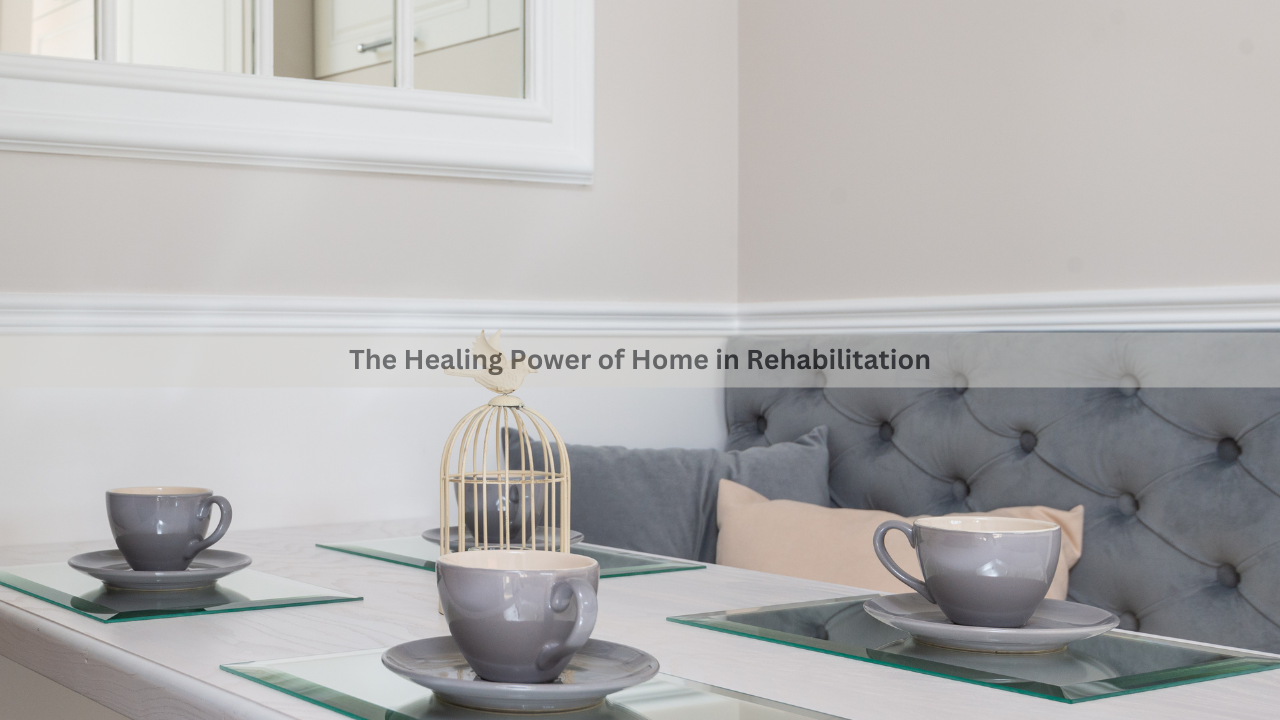

 Recovery from addiction is a transformative journey that requires a supportive and nurturing environment. One crucial aspect of this journey is creating a space where individuals feel safe, comfortable, and at home as they navigate the challenges of recovery. Making your recovery space feel like home involves thoughtful consideration of various elements that contribute to a sense of peace, security, and well-being.