Monthly Archives: May 2026

Why Feeling at Home in Treatment Matters: Building Trust, Safety, and Lasting Recovery Success

Beginning the journey toward recovery can be one of the most courageous decisions a person makes. Whether someone is seeking help for addiction, mental health challenges, or both, the treatment environment can significantly influence their experience and outcomes. While evidence-based therapies, professional support, and individualized treatment plans are essential, there is another factor that often plays a powerful role in healing: feeling at home.

At Fukushima House, we recognize that recovery is about more than overcoming symptoms. It is about rebuilding trust, finding stability, and creating a foundation for lasting wellness. A welcoming, supportive environment helps individuals feel safe enough to engage fully in treatment, develop meaningful connections, and move forward with confidence.

The Connection Between Environment and Recovery

Many individuals entering treatment have experienced periods of instability, emotional pain, strained relationships, or isolation. As a result, stepping into a new environment can feel intimidating. A treatment setting that feels warm, respectful, and supportive can ease those concerns and encourage a stronger commitment to the recovery process.

When people feel comfortable in their surroundings, they are often more willing to participate in therapy, communicate openly, and embrace positive change. The environment becomes a source of support rather than an additional source of stress.

At Fukushima House, we strive to create an atmosphere where every individual feels welcomed, valued, and understood from the moment they arrive.

Why Trust Is Essential for Healing

Trust is one of the most important components of successful addiction recovery and mental health treatment. Without trust, it can be difficult for individuals to share their experiences honestly or fully engage in the therapeutic process.

Building Trust Through Compassionate Care

Trust develops when people feel heard and respected. Our team is committed to providing compassionate, client-centered care that prioritizes dignity and understanding.

Rather than focusing solely on symptoms, we take the time to understand each person’s unique experiences, challenges, and goals. This individualized approach helps clients feel seen as people, not simply as diagnoses or treatment cases.

Consistency Creates Confidence

Trust also grows through consistency. Reliable support, structured programming, and clear communication help clients develop confidence in both the treatment process and their own ability to heal.

When individuals know what to expect and feel supported every step of the way, they are more likely to remain engaged and committed to recovery.

The Importance of Emotional and Physical Safety

Safety is another critical factor in recovery success. Healing requires vulnerability, and vulnerability can only occur when individuals feel secure.

Emotional Safety Encourages Openness

Many people struggling with addiction or mental health conditions carry feelings of guilt, shame, or fear. A supportive treatment environment helps reduce these barriers by creating a space where honest conversations can take place without judgment.

Emotional safety allows clients to explore difficult experiences, process emotions, and develop healthier coping skills. It also encourages meaningful participation in individual counseling, group therapy, and holistic healing activities.

Physical Safety Supports Stability

A calm and structured environment can reduce stress and promote a greater sense of well-being. Organized routines, supportive staff, and clear expectations create stability, helping clients focus their energy on recovery rather than uncertainty.

This sense of stability is particularly valuable during the early stages of treatment when individuals may be adjusting to significant life changes.

How Community Creates a Sense of Home

One of the most powerful aspects of recovery is discovering that you do not have to face challenges alone. Community can transform treatment from a clinical experience into a meaningful journey of connection and growth.

At Fukushima House, we encourage clients to build supportive relationships with peers who understand the realities of addiction recovery and mental health healing.

Shared Experiences Foster Belonging

Group therapy and peer support opportunities allow individuals to connect through shared experiences. These connections often reduce feelings of isolation and create a sense of belonging.

When people realize that others have faced similar struggles and found hope in recovery, they gain confidence in their own ability to succeed.

Accountability and Encouragement Matter

A strong recovery community provides encouragement during difficult moments and celebrates progress along the way. These positive relationships can become an important source of accountability and motivation long after formal treatment ends.

Holistic and Individualized Care Strengthens Recovery

Every recovery journey is different. That is why personalized treatment is essential for long-term success.

Fukushima House integrates addiction recovery services, mental health treatment, inpatient care, outpatient programs, and holistic approaches to address the unique needs of each client. We understand that healing involves the mind, body, and spirit.

Supporting the Whole Person

Holistic therapies such as mindfulness practices, wellness activities, and faith-based support can help individuals develop greater self-awareness, reduce stress, and strengthen emotional resilience.

By addressing every aspect of well-being, clients gain the tools they need to build healthier lives and maintain long-term recovery.

Practical Ways to Create a Home-Like Recovery Experience

Even outside of treatment, individuals can take steps to create an environment that supports healing:

Establish Healthy Daily Routines

Consistent habits provide structure and reduce uncertainty.

Surround Yourself With Positive Support

Stay connected to people who encourage growth and accountability.

Create Calm Spaces

Organized, peaceful environments can reduce stress and improve focus.

Prioritize Self-Care

Make time for activities that support physical, emotional, and spiritual well-being.

Stay Engaged in Recovery

Continue participating in therapy, support groups, and wellness practices that reinforce positive change.

Conclusion: Recovery Thrives in an Environment of Trust and Safety

Lasting recovery is built on more than treatment alone. It grows through trust, safety, connection, and compassionate support. When individuals feel at home in their treatment environment, they are better equipped to engage in the healing process, develop healthy relationships, and build a future grounded in hope and stability.

At Fukushima House, we are dedicated to providing a welcoming environment where individuals can heal with dignity and confidence. Through personalized care, holistic support, and a strong sense of community, we help clients create the foundation for lasting recovery success.

If you or someone you love is ready to begin the journey toward healing, reach out to Fukushima House today. The right support can make all the difference, and recovery can begin in a place that truly feels like home.
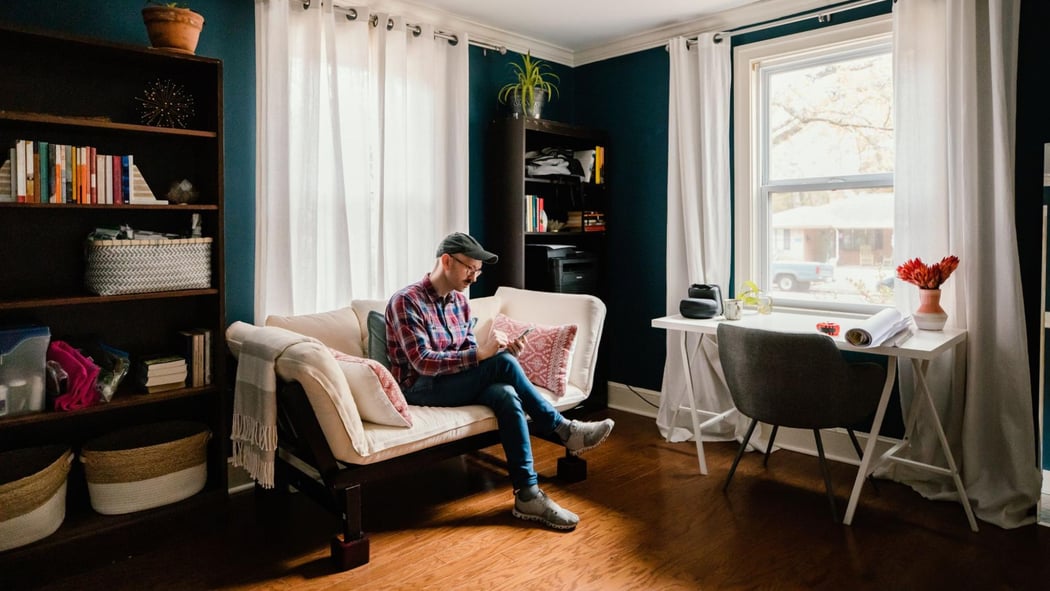

From Chaos to Calm: How a Home-Like Treatment Setting Supports Mental Health and Addiction Recovery

Recovery often begins in a place of uncertainty. For many individuals struggling with addiction or mental health challenges, life may feel overwhelming, unstable, or disconnected. In these moments, the environment where treatment takes place becomes more than just a location. It becomes part of the healing process itself. At Fukushima House, we understand that moving from chaos to calm is not only possible, it is essential for lasting recovery. A home-like treatment setting helps individuals regain stability, rebuild trust, and reconnect with themselves in a meaningful way.

Why Environment Shapes Recovery Outcomes

The environment surrounding a person in recovery plays a powerful role in their emotional and psychological progress. Chaotic or stressful surroundings can heighten anxiety, make focus difficult, and slow down healing. On the other hand, a calm and structured environment promotes clarity, emotional balance, and engagement in treatment.

At Fukushima House, both inpatient and outpatient care are designed to reduce stress and support emotional safety. Clients are welcomed into spaces that feel steady, respectful, and grounded. This helps shift the focus from external stressors to internal healing, which is essential for recovery to take root.

Emotional Safety Creates the Foundation for Calm

Emotional safety is one of the most important elements in addiction recovery and mental health treatment. Without it, individuals may struggle to open up or fully participate in therapy.

Our team at Fukushima House prioritizes compassion, respect, and consistency. Clients are encouraged to share their experiences without fear of judgment. This creates trust, which is a critical step in moving from chaos to calm.

How a Home-Like Setting Supports Mental Health Recovery

A home-like environment does more than provide comfort. It creates a sense of normalcy during a time when life may feel anything but normal. This familiarity helps reduce emotional overwhelm and allows individuals to focus on healing.

When clients feel at home in their treatment setting, they are more likely to engage in therapy, develop healthier habits, and build confidence in their recovery journey. Comfort becomes a tool for progress rather than a distraction from it.

At Fukushima House, care is structured to feel supportive rather than clinical. The goal is to create a space where clients feel seen, valued, and understood.

Routine and Structure Bring Stability

One of the most effective ways to move from chaos to calm is through structure. Many individuals entering treatment have experienced unpredictable routines or periods of instability. Establishing consistency helps restore balance.

Daily schedules that include therapy, wellness activities, and reflection time provide a sense of order. Over time, this structure helps clients build confidence, reduce stress, and develop healthier coping mechanisms.

The Role of Community in Creating Calm

Recovery is not meant to be a solitary experience. Connection with others is essential for emotional healing and long-term success. A supportive community helps individuals feel less isolated and more understood.

At Fukushima House, group therapy and shared activities encourage connection and trust. Clients are able to engage with others who understand their experiences, which helps reduce feelings of shame and loneliness.

Shared Experience Builds Strength

Hearing others share similar struggles can be deeply grounding. It reminds clients that they are not alone and that recovery is possible even after difficult periods.

These shared experiences also help build resilience and encourage personal growth through mutual support and encouragement.

Holistic and Individualized Care for Whole-Person Healing

True recovery addresses more than symptoms. It focuses on the whole person, including emotional, physical, and spiritual well-being. Fukushima House integrates holistic practices with evidence-based treatment to support complete healing.

Clients may participate in mindfulness, meditation, wellness activities, and faith-based support if desired. These practices help reduce stress, improve emotional awareness, and strengthen inner stability.

Individualized treatment plans ensure that each person receives care tailored to their unique needs, challenges, and goals.

Practical Steps to Move from Chaos to Calm

Create a Consistent Daily Routine

Structure helps reduce uncertainty and supports emotional regulation.

Focus on a Calm Environment

A clean, organized space can reduce stress and improve mental clarity.

Stay Connected to Support Systems

Engaging with peers and counselors provides encouragement and accountability.

Practice Mindfulness Techniques

Simple breathing exercises or journaling can help manage emotional overwhelm.

Take Recovery One Step at a Time

Progress does not happen all at once. Small steps build lasting change.

Conclusion: Calm Is Possible in Recovery

Moving from chaos to calm is one of the most important transformations in addiction recovery and mental health treatment. When individuals are supported in a safe, structured, and compassionate environment, healing becomes more accessible and sustainable.

At Fukushima House, we are committed to creating a home-like treatment setting where clients can find stability, rebuild confidence, and begin to heal at their own pace. Through individualized care, holistic support, and a strong sense of community, we help individuals move toward a life grounded in calm and lasting recovery.

If you or someone you love is ready to begin this journey, reaching out is the first step. Fukushima House is here to provide the support needed to turn chaos into calm and healing into hope.

Creating a Sense of Home in Recovery: Why Comfort and Stability Improve Long-Term Sobriety

Recovery is not only about breaking free from addiction or managing mental health symptoms. It is about building a life that feels stable, safe, and worth staying present for. When individuals begin treatment, one of the most important yet often overlooked factors is the environment itself. A sense of home can make recovery feel less overwhelming and far more sustainable. At Fukushima House, we understand that comfort and stability are not extras in the recovery process. They are essential foundations for long-term sobriety and mental wellness.

Why a Sense of Home Matters in Addiction Recovery

Many individuals entering addiction recovery have experienced instability, stress, or emotional exhaustion. Because of this, a structured and supportive environment can feel grounding in ways they may not have felt in a long time.

A sense of home is not just about physical space. It is about emotional safety, predictability, and trust. When clients feel secure in their surroundings, they are more likely to engage in treatment, open up in therapy, and stay committed to their recovery goals.

At Fukushima House, both inpatient and outpatient care are designed to support this sense of stability. The goal is to create an environment where healing feels possible, not pressured.

Emotional Safety Builds the Foundation for Healing

Emotional safety is one of the strongest predictors of progress in recovery. Without it, individuals may struggle to fully participate in treatment or express their true experiences.

Our team focuses on compassionate communication, respectful care, and consistent support. Clients are encouraged to speak openly without fear of judgment. This helps build trust, which is essential for meaningful and lasting recovery.

How Comfort Supports Long-Term Sobriety

Comfort plays a significant role in helping individuals stay engaged in recovery. When a person feels physically and emotionally comfortable, their stress levels decrease and their ability to focus improves.

A comfortable environment helps clients transition from survival mode into a mindset focused on growth and healing. This shift is essential for building the habits and coping skills needed for long-term sobriety.

At Fukushima House, comfort is supported through calm surroundings, structured routines, and a caring community that prioritizes well-being.

Routine Creates Stability and Confidence

Stability is often missing in the lives of those struggling with addiction or mental health challenges. Establishing a predictable routine helps restore a sense of control.

Daily schedules that include therapy sessions, wellness activities, and time for reflection help clients build consistency. Over time, this structure strengthens confidence and supports healthier decision-making.

The Role of Community in Creating a Home-Like Environment

A true sense of home is not only created by space but also by people. Connection and community are essential parts of recovery.

At Fukushima House, clients are encouraged to engage in group therapy and shared activities that promote trust and understanding. These interactions help reduce isolation and foster a sense of belonging.

When individuals feel supported by others who understand their journey, recovery becomes less intimidating and more hopeful.

Shared Experience Strengthens Recovery

Hearing others share their struggles and successes can be deeply encouraging. It reminds clients that they are not alone and that progress is possible even after setbacks.

Peer support also helps build communication skills, empathy, and emotional resilience, all of which are important for maintaining sobriety beyond treatment.

Holistic and Individualized Care for Whole-Person Healing

Recovery is most effective when it addresses the whole person. At Fukushima House, care plans are individualized to meet each client’s unique needs, combining addiction recovery services with mental health treatment.

Holistic approaches are also integrated into care. These may include mindfulness practices, meditation, wellness activities, and faith-based support for those who choose it. These tools help clients manage stress, improve self-awareness, and strengthen emotional balance.

Practical Ways to Build Stability in Recovery

Maintain a Consistent Daily Routine

Structure helps reduce uncertainty and supports emotional regulation.

Create a Calm and Organized Environment

A clean and peaceful space can improve focus and reduce stress.

Stay Connected to Support Systems

Engaging with peers, counselors, and supportive communities reinforces accountability.

Practice Mindfulness and Reflection

Simple habits like journaling or breathing exercises can support emotional clarity.

Focus on Progress, Not Perfection

Recovery is a gradual process. Small steps lead to meaningful long-term change.

Conclusion: Stability Creates the Foundation for Lasting Recovery

Creating a sense of home in recovery is not about comfort alone. It is about building stability, trust, and emotional safety that allow individuals to heal at a deeper level. When the environment supports these needs, long-term sobriety becomes more achievable and sustainable.

At Fukushima House, we are committed to providing compassionate, structured, and individualized care that helps clients feel grounded and supported throughout their journey. By combining professional treatment with a home-like environment, we help individuals rebuild their lives with confidence and hope.

If you or someone you love is seeking support for addiction recovery or mental health treatment, reaching out is the first step. Fukushima House is here to provide a place where healing begins and stability becomes a foundation for lasting change.

Let Recovery Feel Like Home: How a Supportive Environment Strengthens Addiction Recovery and Mental Health Healing

Recovery is not only about stopping substance use or managing mental health symptoms. It is about rebuilding a life that feels stable, meaningful, and safe. For many people, the early stages of recovery can feel uncertain, especially when they are adjusting to new routines and emotional challenges. That is why environment matters so much. At Fukushima House, we believe that when recovery feels like home, healing becomes more natural, more sustainable, and more deeply rooted in lasting change. A supportive environment can strengthen addiction recovery and mental health healing in powerful ways.

Why a Supportive Environment Matters in Recovery

A person’s surroundings have a direct impact on emotional well-being. Stressful, chaotic, or isolating environments can make recovery more difficult. In contrast, a calm and structured setting helps individuals feel grounded and secure.

At Fukushima House, our approach to inpatient and outpatient care is built around creating a safe and welcoming environment. Clients are supported in spaces that encourage reflection, stability, and connection. This helps reduce anxiety and allows individuals to focus on their healing journey with greater clarity.

A supportive environment also reduces emotional resistance. When people feel safe, they are more open to therapy, more willing to participate in treatment, and more likely to engage in the recovery process fully.

Emotional Safety Builds the Foundation for Healing

Emotional safety is one of the most important elements in addiction recovery and mental health treatment. Without it, individuals may struggle to open up or trust the process.

At Fukushima House, emotional safety is created through compassion, respect, and consistent support. Clients are listened to without judgment. They are encouraged to share openly at their own pace. This helps build trust between clients and care providers, which is essential for meaningful progress.

How a Home-Like Setting Supports Addiction Recovery

A home-like environment can make recovery feel less clinical and more human. It helps individuals reconnect with a sense of normalcy during a time of change.

When people feel comfortable in their surroundings, they are better able to focus on therapy, develop new coping skills, and build healthier habits. Comfort does not mean luxury. It means feeling safe, respected, and supported throughout the recovery process.

At Fukushima House, we emphasize warmth and structure in equal measure. This balance helps clients feel both secure and guided as they move through treatment.

Structure and Routine Create Stability

Structure is a key part of recovery. Many individuals entering treatment have experienced unpredictability in their daily lives. A consistent routine helps restore balance and control.

Daily schedules that include therapy, wellness activities, and personal reflection give clients a sense of direction. Over time, this structure helps build confidence and reinforces healthy habits that support long-term sobriety.

The Role of Community in Strengthening Recovery

Recovery is not meant to be a solitary experience. Connection with others is essential for emotional healing and long-term success.

At Fukushima House, community plays a central role in treatment. Clients participate in group therapy and shared activities that encourage openness and mutual support. These connections help reduce feelings of isolation and create a sense of belonging.

When individuals realize they are not alone in their struggles, it becomes easier to stay committed to recovery. Shared experiences often lead to encouragement, accountability, and lasting friendships.

Peer Support Encourages Growth

Hearing others share similar experiences can be deeply motivating. It helps clients understand that recovery is possible and that setbacks do not define their journey.

Peer support also builds empathy and communication skills, both of which are important for maintaining healthy relationships outside of treatment.

Holistic and Individualized Care for Whole-Person Healing

Every recovery journey is different. That is why individualized treatment is essential. At Fukushima House, care plans are tailored to meet the unique needs of each client, combining addiction recovery services with mental health treatment.

Holistic approaches are also part of the healing process. Mindfulness, meditation, wellness practices, and faith-based support are offered to help clients strengthen emotional and spiritual well-being.

These approaches help individuals manage stress, improve self-awareness, and develop healthier responses to life challenges.

Practical Ways to Support a Home-Like Recovery Experience

Create a Calm Daily Environment

A clean and organized space can reduce stress and support emotional clarity.

Follow a Consistent Routine

Regular schedules help build stability and reinforce healthy habits.

Stay Connected to Support Systems

Engaging with peers, counselors, and supportive communities strengthens accountability.

Practice Mindfulness and Reflection

Simple practices like journaling or meditation can improve emotional regulation.

Focus on Small, Steady Progress

Recovery is built step by step. Every small improvement matters.

Conclusion: Healing Happens Where You Feel Safe

Recovery becomes more effective when individuals feel safe, supported, and connected to their environment. A home-like setting helps transform treatment into a more personal and meaningful experience, where healing feels possible and sustainable.

At Fukushima House, we are committed to providing compassionate, structured, and individualized care that supports both addiction recovery and mental health healing. Our goal is to create an environment where clients can rebuild their lives with confidence and stability.

If you or someone you love is seeking support, reaching out is the first step. Fukushima House is here to help you find a place where recovery truly feels like home.

Your Recovery Space Matters: Creating an Environment That Supports Lasting Sobriety

Recovery is not only shaped by therapy sessions, treatment plans, or clinical support. It is also shaped by the environment where healing takes place. For individuals working toward sobriety and mental wellness, the surrounding space can either support progress or make recovery feel more difficult. At Fukushima House, we understand that a safe, supportive, and structured environment plays a central role in addiction recovery and mental health treatment. When people feel comfortable and grounded in their surroundings, they are more likely to engage fully in care and build lasting change.

Why Your Recovery Environment Influences Sobriety

The environment surrounding a person in recovery has a direct impact on emotional stability and motivation. A chaotic, stressful, or unsupportive space can trigger anxiety and make it harder to focus on healing. On the other hand, a calm and structured environment helps individuals feel safe, present, and more open to the recovery process.

At Fukushima House, both inpatient and outpatient care settings are designed to promote emotional balance and stability. Every detail, from the layout of shared spaces to the tone of staff interactions, is intentionally created to support healing. This helps clients shift their focus from survival mode into recovery mode, where growth becomes possible.

Emotional Safety Builds Stronger Recovery Outcomes

One of the most important elements of a recovery space is emotional safety. Clients need to feel that they are in an environment where they will not be judged or dismissed. Emotional safety allows individuals to be honest about their struggles, which is essential for effective addiction recovery and mental health treatment.

Our team at Fukushima House provides compassionate, consistent support. Through respectful communication and active listening, clients are encouraged to express themselves openly. This builds trust and helps create a strong foundation for long-term sobriety.

Structure and Stability Create a Sense of Control

Many individuals entering recovery have experienced instability in their daily lives. Establishing structure in a supportive environment helps restore a sense of control and predictability. This stability is essential for reducing stress and building healthy habits.

At Fukushima House, structured daily routines include therapy sessions, wellness activities, and time for reflection. These routines help clients develop consistency, which is an important part of rebuilding confidence and self-discipline.

Routine Supports Long-Term Sobriety

Consistency is a powerful tool in recovery. When individuals follow a structured routine, they are better able to manage cravings, regulate emotions, and maintain focus on their goals. Over time, these habits become part of a healthier lifestyle that supports lasting sobriety.

The Role of Community in a Recovery Space

A strong recovery environment is not only about physical surroundings. It is also about the people within that space. Connection and community are essential for emotional healing and long-term success.

At Fukushima House, clients are encouraged to participate in group therapy and shared activities. These experiences help build trust, reduce feelings of isolation, and create a sense of belonging. When individuals feel supported by others who understand their journey, recovery becomes more manageable and less overwhelming.

Shared Experience Encourages Growth

Hearing others share similar experiences can be deeply reassuring. It reminds clients that they are not alone and that recovery is possible. This sense of shared understanding helps build resilience and encourages continued progress.

Holistic and Individualized Care Strengthens the Environment

Recovery is most effective when it addresses the whole person. Fukushima House integrates holistic and individualized approaches into care to support mental, emotional, and spiritual well-being.

Clients may participate in mindfulness practices, meditation, wellness activities, and faith-based support if desired. These practices help reduce stress, improve emotional awareness, and strengthen inner stability. Individualized treatment plans ensure that each client receives care tailored to their specific needs and goals.

Practical Ways to Create a Supportive Recovery Space

Keep Your Environment Calm and Organized

A clean and structured space helps reduce stress and improve focus during recovery.

Build Consistent Daily Habits

Regular routines support emotional stability and reinforce positive behaviors.

Stay Connected to Support Systems

Engage with peers, counselors, and supportive communities to maintain encouragement and accountability.

Use Holistic Practices for Balance

Incorporate mindfulness, journaling, or relaxation techniques to support emotional regulation.

Focus on Progress, Not Perfection

Recovery is a journey. Small, consistent steps lead to meaningful long-term change.

Conclusion: Build a Space That Supports Your Healing

Your recovery space plays a powerful role in shaping your journey toward sobriety. When the environment is safe, structured, and supportive, individuals are better able to focus on healing and building a healthier future. At Fukushima House, we are committed to creating spaces that foster comfort, community, and personalized care so that every client feels supported at every stage of recovery.

If you or someone you care about is seeking addiction recovery or mental health treatment, reaching out for help is the first step toward lasting change. Fukushima House is here to provide the compassionate support and structured care needed to help you build a life that supports lasting sobriety.