
Recovery is a journey that requires strength, patience, and a supportive environment. One of the most important aspects of healing from addiction is creating a space where you feel safe, understood, and at peace. When recovery feels like home, it becomes a place of refuge rather than a struggle. Here’s how you can create a safe haven that nurtures your healing and growth.
1. Establish a Comfortable and Peaceful Environment
Your surroundings play a significant role in your emotional and mental well-being. A chaotic or stressful environment can trigger anxiety and cravings, while a calm, organized space fosters stability. Start by decluttering your home and creating a space that feels inviting and peaceful. Incorporate soft lighting, comfortable furniture, and elements that bring you joy, such as plants, calming artwork, or soothing music.
2. Set Healthy Boundaries
The people you surround yourself with can either support or hinder your recovery. Setting boundaries with toxic or enabling individuals is crucial. It’s okay to distance yourself from relationships that do not align with your healing process. Instead, cultivate connections with those who encourage your growth, whether it be supportive family members, friends, or fellow individuals in recovery.
3. Develop a Routine That Feels Familiar and Grounding
Structure provides a sense of stability, which is essential in recovery. Creating a daily routine that includes self-care, healthy habits, and meaningful activities can help you feel more at home in your new sober life. Simple practices like morning meditation, journaling, regular exercise, or a nighttime wind-down ritual can provide comfort and consistency.
4. Surround Yourself with Supportive Community
You don’t have to go through recovery alone. A strong support system is key to maintaining long-term sobriety. Engage with recovery groups, attend meetings, or connect with a therapist or mentor who understands your journey. Having a network of people who offer encouragement, understanding, and accountability makes the process feel less isolating.
5. Create a Personal Sanctuary for Reflection and Growth
Having a dedicated space for reflection, relaxation, or meditation can help you reconnect with yourself. Whether it’s a cozy reading nook, a quiet spot for journaling, or a space for yoga and mindfulness, having a designated area for self-care can be incredibly grounding. This sanctuary becomes a reminder of your commitment to recovery and personal well-being.
6. Embrace Healing Rituals
Healing rituals help reinforce a sense of home and belonging in your recovery journey. Whether it’s lighting a candle for mindfulness, preparing nourishing meals, practicing gratitude, or engaging in creative activities like painting or playing music, these small but meaningful actions provide comfort and a sense of purpose.
7. Be Patient and Gentle with Yourself
Recovery is not a linear process, and it’s important to give yourself grace. Some days will be easier than others, but creating a home within your recovery means embracing every part of the journey—the setbacks, the progress, and everything in between. Celebrate your victories, no matter how small, and remind yourself that healing is a lifelong process.
By taking intentional steps to create a safe haven, you make recovery feel less like a burden and more like a homecoming. When your environment supports your healing, it becomes a place of peace, strength, and renewal—just like home should be.



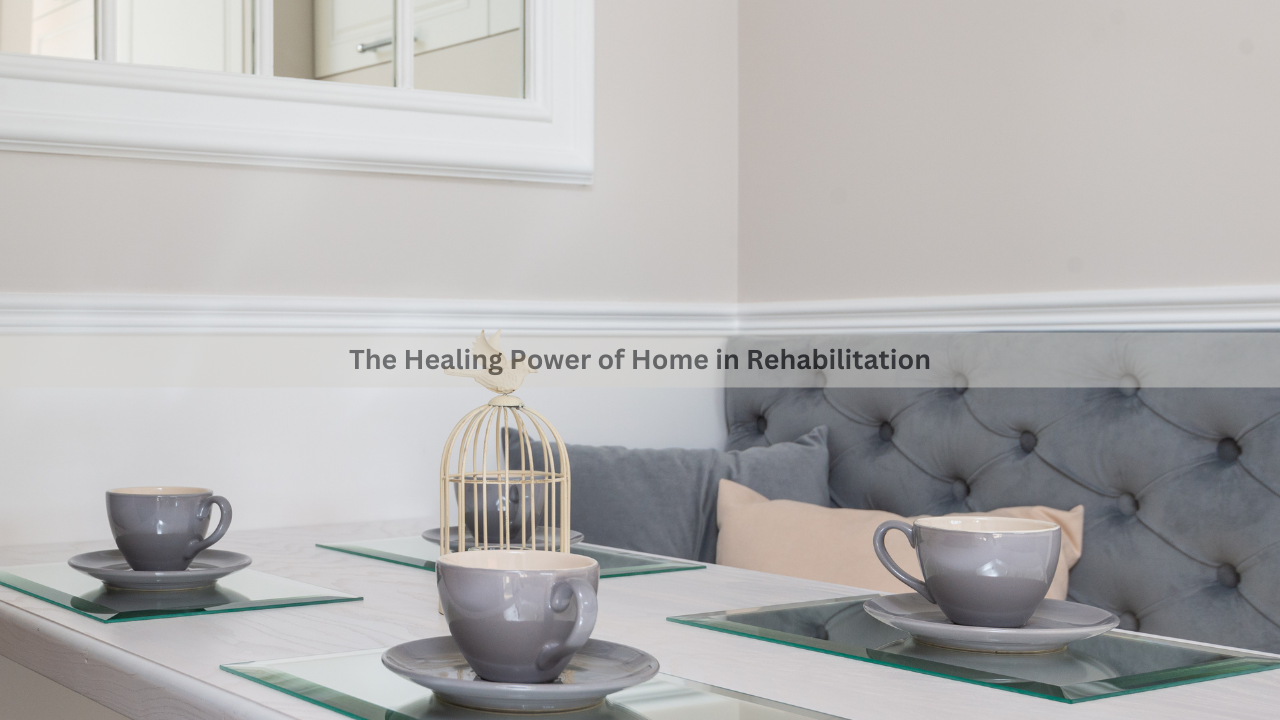

 Recovery from addiction is a transformative journey that requires a supportive and nurturing environment. One crucial aspect of this journey is creating a space where individuals feel safe, comfortable, and at home as they navigate the challenges of recovery. Making your recovery space feel like home involves thoughtful consideration of various elements that contribute to a sense of peace, security, and well-being.
 Embarking on the journey to recovery from addiction is a transformative process that involves physical, emotional, and spiritual healing. Creating an environment that feels like home can play a significant role in supporting individuals as they navigate the challenges of recovery. In this article, we explore how personalized spaces aid the healing journey, contributing to a sense of comfort, security, and empowerment.